How can Coriander support digestion and overall health and wellness?

Coriander is a popular culinary herb and traditional wellness ingredient used in many cultures around the world. Scientifically known as Coriandrum sativum, the plant produces both fresh leaves, commonly called cilantro, and aromatic seeds known as coriander seeds. Both parts have been valued in traditional systems of wellness for generations. Coriander contains naturally occurring plant compounds, essential oils, antioxidants, and nutrients that may contribute to digestive comfort and general well-being.
Whether used as whole seeds, ground spice, tea, or as a fresh herb, coriander can be incorporated into a balanced diet in a variety of ways. While it should not replace medical treatment, its traditional uses and nutritional properties make it an interesting addition to a healthy lifestyle.
1. Supports Healthy Digestion
One of the most recognized traditional uses of coriander is to support digestion. Coriander seeds contain aromatic compounds that have traditionally been used to encourage comfortable digestion after meals. They may help support normal digestive processes and can be included in meals to make foods more flavorful and enjoyable.
Coriander is also traditionally consumed as a mild herbal preparation after meals. Its pleasant aroma and natural oils have made it a popular ingredient in digestive wellness practices. People who experience occasional digestive discomfort may find coriander a useful addition to a balanced diet, although persistent symptoms should always be discussed with a healthcare professional.
2. May Help Support Appetite
Coriander has traditionally been used to support appetite and digestive function. Its distinctive flavor and aroma can stimulate the senses and enhance the taste of food. This makes it a valuable culinary herb, particularly in traditional cuisines where herbs and spices are used not only for flavor but also as part of everyday wellness practices.
Including coriander in meals can provide variety while adding naturally occurring plant compounds to the diet.
3. Provides Antioxidant Compounds
Coriander contains various naturally occurring antioxidant compounds. Antioxidants help the body manage oxidative stress caused by free radicals. A diet rich in a variety of plant-based foods, herbs, fruits, and vegetables can contribute to overall nutritional balance.
The antioxidant properties associated with coriander are one reason why the herb continues to receive attention in nutritional and traditional wellness research. However, it is important to remember that no single herb can provide all the nutrients needed for good health.
4. Supports Heart-Friendly Nutrition
Coriander can be part of a balanced, heart-conscious diet. Its seeds and leaves add flavor to food without requiring large amounts of salt or heavy sauces. Replacing excessive salt with flavorful herbs and spices can be one practical way to improve the overall nutritional quality of meals.
Some preliminary research has also explored coriander's potential effects on cholesterol and blood sugar management, but more human research is needed before making strong health claims.
5. May Support Healthy Blood Sugar Management
Coriander has traditionally been studied for its possible role in supporting healthy blood sugar levels. Certain plant compounds found in coriander may influence metabolic processes, although research is still developing.
People with diabetes or those taking blood-sugar-lowering medication should not use coriander as a replacement for prescribed treatment. Instead, it can be enjoyed as part of a nutritious eating pattern under appropriate professional guidance.
6. Contributes to Everyday Wellness
Fresh coriander leaves provide small amounts of vitamins and minerals, while coriander seeds contribute aromatic plant compounds to the diet. Adding herbs such as coriander to everyday meals can make healthy foods more appealing and encourage greater variety in cooking.
Coriander can be added to curries, soups, chutneys, salads, spice blends, marinades, and herbal preparations. Its versatility makes it easy to include in different dietary patterns.
How to Include Coriander in Your Routine
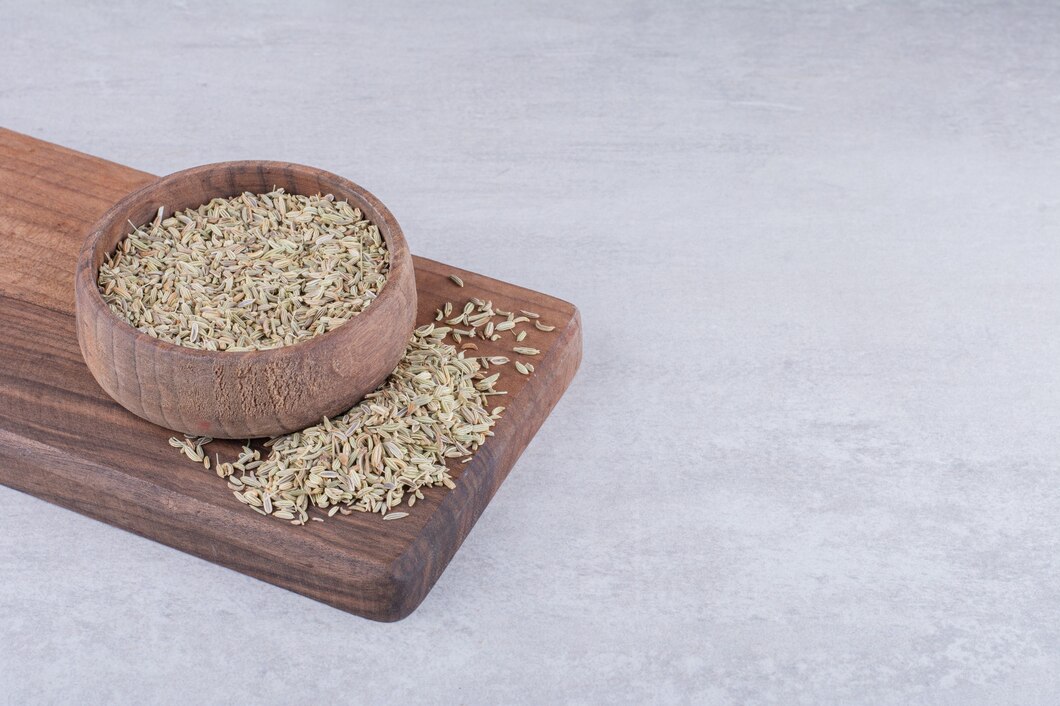
Coriander seeds can be used whole or ground and added to cooking. Fresh coriander leaves can be sprinkled over meals for flavor and freshness. Some traditional practices also use coriander seeds to prepare a mild herbal infusion.
The amount and form used may depend on individual preferences and dietary needs. Anyone with allergies, a medical condition, or concerns about interactions with medication should consult a qualified healthcare professional before using concentrated coriander supplements or herbal preparations.
Conclusion
Coriander is more than a flavorful kitchen ingredient. Traditionally valued for its digestive and wellness-supporting properties, it can complement a balanced lifestyle by contributing aromatic plant compounds and antioxidants to the diet. Its potential benefits for digestion, appetite, antioxidant support, and metabolic wellness make it a versatile herb for everyday use. As with any herbal ingredient, coriander works best as part of a varied diet, healthy lifestyle, and appropriate healthcare routine.
For premium-quality Coriander and other carefully sourced Ayurvedic herbs, choose Indian Herbs Online. Their commitment to authenticity, purity, and quality ensures you receive traditional herbal products suitable for Ayurvedic preparations and everyday wellness.


Comments
Post a Comment